

Mini skid steers turn tight sites and delicate surfaces into profitable work. The right mini skid with the right attachment doubles a small crew, fits through gates and doorways, and rides on a light trailer that a standard pickup can tow legally. This buyer guide explains where a mini skid steer outperforms larger loaders, how stand on, walk behind, and ride on formats compare, what to watch when shopping new or used, how pricing and financing really play out, which specs matter for productivity, and how to transport and store minis so they start every shift ready to earn.
What a mini skid steer does and where it outperforms
A mini skid steer is a compact tool carrier that trades top speed and raw lift for access, finesse, and low disturbance. Landscapers, hardscape crews, arborists, fence and deck installers, pool builders, concrete finishers, and facilities teams choose minis because they move material fast without chewing up lawns or pavers. A small skid steer parks closer to the work, turns inside tight footprints, and can be towed with simpler rigs. If you sell work behind houses, in courtyards, inside warehouses, or along narrow walkways, the mini skid steer will often beat a mid frame loader on total job time.

Job types where minis shine include backyard dirt moves, pallet shuttling on pavers, trench spoils removal, feed and bedding runs in barns, stump cleanup, and snow on walkways. Search language reflects that reality in the field. Crews say mini skid steer, mini skid, small skid steer, stand on skid steer, walk behind skid steer, or walk behind skid loader. The names vary. The winning pattern stays the same. Short paths, precise moves, minimal rework, and happy surfaces at the end of the day.
Right sized beats oversized. Minis win money on access, setup time, and reduced damage. If you can start sooner, turn once, and leave nothing to fix, you finish first.
Access driven productivity
Minis slip through 36 to 42 inch gates, under low eaves, and along sidewalks. Less staging means more cycles per hour. The shortest path to the pile is worth more than a larger bucket that cannot reach it.
Surface protection and client trust
Lower ground pressure and gentler turning protect lawns and pavers. Fewer mats, fewer ruts, fewer scratches. That is how repeat business happens in neighborhoods.
Transport simplicity
Light trailers, simpler licensing, and easier parking allow two jobs in one day. Travel and load time often decide who profits on small contracts.
Mini Skid Steer And Mini Track Loader Models

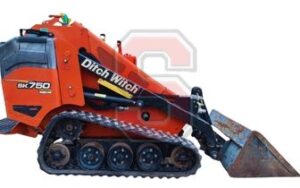
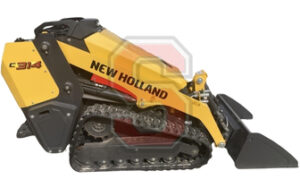
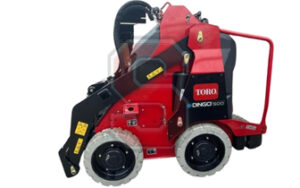
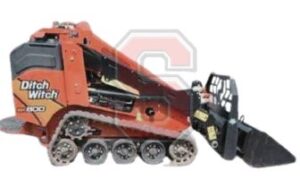
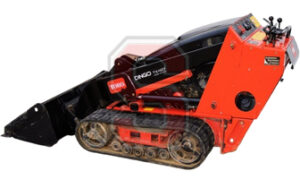

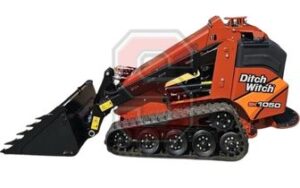


Stand on vs walk behind vs ride on
Format changes sightlines, fatigue, and control feel. Pick the one that removes the biggest friction on your actual routes.
Stand on platforms
Stand on skid steer platforms give a high view of fork tips and bucket edges, fast hop on and off behavior, and smooth curb approaches. Operators stay engaged with the work and can step down to guide pallets or trench lines without climbing out of a cab. For landscaping and hardscape, stand on is the default because of visibility and speed around obstacles.
- Best for short moves with frequent ground tasks like hand setting stone or guiding posts.
- Platform isolation reduces vibration. Operators last longer on long patio days.
- Winter kits with heated grips and wind shields make cold starts tolerable.
Walk behind units
Walk behind skid steer units keep footprint tiny and pricing modest. Operators trail behind, which helps on interior slabs and ultra delicate turf. You trade travel speed for surgical movement. Walk behind is also a strong fit for tight greenhouses, pool decks, and basements where headroom and fume control limit options.
- Best for narrowest corridors and jobs where slow and clean beats fast and risky.
- Lower purchase price makes sense for seasonal or part time fleets.
- Operators become the counterweight. Training on safe body position matters.
Ride on mini loaders
Ride on pods or micro cabs exist in a few lineups. They push comfort and weather protection closer to full size loaders while keeping a compact stance. If your jobs run long hours or winters are harsh, a ride on mini gives staying power without jumping to a large payment.
- Best for long pushes and longer shifts where operators need a seat and shields.
- Visibility must be checked carefully. Make sure you can still see edges and tips.
- Weight and height increase. Confirm trailer ramp angle and door clearances.
Do a ten minute demo pattern. Tight figure eights, curb approach, pallet pickup, and trench backfill. The format that lets a new hire do clean work fastest is the right one for your business.
New used and certified pre owned
Availability cycles with seasons. Spring shortages are normal. Late fall deals appear as fleets right size. If you are shopping mini skid steer for sale, used mini skid steer, used mini skid steer for sale, mini skid steers for sale, mini skidsteer for sale, used mini skid loader, used mini skid loader for sale, or used mini skid steer loader, cast a wide net and call before you drive. Clean minis move fast when pictures show straight panels and clean hoses.
Dealer new and demo
Pros include warranty, training, and clean financing. Demos can be value buys if maintenance is documented. Try to bundle attachments and winter kits for a better package price.
Used dealer backed
Higher confidence than private sales. Ask for service records, cooler cleaning history, and any pin and bushing work. A brief warranty window adds real value on a small fleet.
Private party and auction
Cheaper entry if you can wrench and tolerate downtime. Bring a pressure tester for hydraulics and check quick couplers for leaks. Do not skip a full grease and cooler clean before putting it to work.
Fast used inspection checklist
- Quick attach plate. Look for ovalized holes, cracked welds, or sloppy latch pins.
- Joystick and linkages. Excess play suggests expensive hours ahead.
- Couplers and hoses. Flat face couplers should be dry and click cleanly. Replace o rings if weeping.
- Tracks or tires. Even wear is a good sign. Chunking and exposed cords point to hard lives.
- Cooling package. Screens and cores should be clean. Bent fins and packed debris predict overheating on continuous duty tools.
- Electrical harness. Look for rub points, moisture in connectors, and amateur add ons.
- Case drain lines on heads. Make sure previous owners did not run case drain tools without the return. That mistake kills motors.
Certified pre owned is worth the premium if pins and bushings are tight, coolers are clean, and you get a real warranty window. A cheap unit that eats two weeks in the shop is not cheap.
Prices budgets and financing paths
There are two price questions buyers ask. How much is a mini skid steer at the dealer and how much does a mini skid steer cost to own and run through the season. The machine price is one line. Attachments, trailer, spare wheels or tracks, consumables, and insurance fill the rest of the spreadsheet. If you have already been searching mini skid for sale or mini skid loader for sale, build your budget around the tasks you sell most, not around a spec that sounds exciting but never earns a dollar.

Package thinking that keeps you honest
- Base machine. Choose the format and hydraulic package that matches your core tasks.
- Attachment essentials. GP bucket, forks with tall back, one digging tool, one finishing tool.
- Trailer and ramps. Legal GVWR and pinned ramps with texture. Simpler moves equal more jobs.
- Protection kit. Coupler caps, spare flat face couplers, hose sleeves, grease, spare wear edges.
- Winter and weather. Heated grips, shields, wiper kits if you run in snow or rain.
Financing that follows your cash flow
Mini purchases move faster than larger iron. Ask for seasonal payment structures if spring and fall are your peak seasons. If you finance attachments with the machine, you start earning with the full kit on day one. If an attachment is rare or speculative, pay cash later.
Bundle the attachment kit you will use every week. One payment, one insurance rider, one set of support numbers. That simplicity is worth real money in busy weeks.
Brands and model lineup overview
Lineups divide into mini track loaders with stand on platforms and wheeled minis with stand on or walk behind stance. Some brands sell both, others specialize. When people ask mini skid steer brands, best mini skid steer, best mini skid steer loader, best stand on skid steer, or best mini skid steer for the money, what they really want is uptime, parts in one day, and controls that new operators can learn quickly. Read mini skid steer reviews, but test with your attachments on your routes. A model that looks fast on paper can still chatter on curbs if the controls are twitchy.
Support lens
Measure parts availability, technician reach, and phone response time. A good machine with a poor network is not a good business partner.
Cooling lens
Debris screens, reversing fans, and shrouds that force air through the core. Minis run close to the dust. Cooling is not optional if you run continuous duty tools.
Control lens
Feathering near masonry, curb transitions, and pallet approach. The model that lets a new hire move slow and clean will save you from rework.
Value lens
Best mini skid steer for the money means lowest cost per finished job. A slightly higher payment that removes plywood and mats is often cheaper by June.

Specs that matter for minis
Spec sheets can mislead if you do not compare the same items in the same way. Focus on the numbers that translate into cycles per hour and quality of work.
Weight and footprint
Mini skid steer weight affects transport, ground pressure, and curb behavior. Lighter helps on lawns and walkways. Heavier helps when pushing into piles or carrying forks on uneven ground. Width controls gate access. Measure outside width with the exact tires or tracks you will run. Height matters for doorways and trailers with toolboxes that sit high. Lock these three numbers before anything else.
Lift capacity and geometry
Mini skid steer lift capacity is usually stated at a given load center. Fork work feels different than bucket work because pallet weight is farther forward. Run a pallet test on the lot with a tall backrest and the fork length you plan to use. You want a calm machine that stops smoothly and does not bounce on reverse. For digging, low profile buckets improve edge visibility and control for new operators.
Hydraulic flow and pressure at the coupler
Continuous duty tools care about gallons per minute delivered at the plate and about relief settings under heat. Ask for flow at the coupler, not just at the pump. Ask for relief pressure and whether the system derates with temperature. If the sheet is silent, you will feel it on a broom or trencher after ten minutes. Match tool ranges to your machine. If your head wants more GPM than you have, cut width and run slower with good quality instead of forcing stalls and heat.
Tracks versus tires
Mini track loader for sale packages dominate in wet or delicate conditions. Tracks spread weight and calm motion, which helps with forks and trench spoils. Tires win on clean pavement and hot summers. They are cheaper to replace and steer faster in long runs. If your work lives on pavers and concrete, consider wheeled minis with turf friendly patterns. If you live in soft backyards and wet seasons, tracks will pay quickly.
Controls and visibility
Stand on skid steers need confident foot placement, reachable controls with gloves, and clear sight of the cutting edge. Walk behind units need stable handle geometry and good cable routing. Ride on pods need clean glass and mirrors. Bring a new operator to the demo. If they can feather and finish in an hour, the control scheme is right for your team.
Electrical and serviceability
Service points should be reachable without tools. Grease zerks should be easy to hit. Electrical harnesses should be sleeved and clipped away from pinch points. Ask how to pull codes and hours without a laptop. A paper quick guide in the pocket saves calls at 6 a.m.
Compare like for like. Flow at the coupler, relief numbers, outside width with chosen shoes, and lift at the load centers that match your work. That is how spec sheets stop being marketing and start being tools.
Starter attachment kit that actually pays
Buy the attachments you will use every week. Add specialty tools after the first season once the machine has paid down a chunk of principal.
Core moves
General purpose bucket with bolt on edge and a tooth bar option. Low profile helps visibility. Forks with a tall back protect loads and give better control at curb heights.
Dig and set
Auger with 2 inch hex and a couple of bit sizes for fence and deck. Trenching head sized for your flow. Keep spoil augers short for minis so travel remains stable.
Finish and clean
Power broom for pavers and sidewalks. Light grapple or brush rake for yard cleanup. A small soil conditioner if you bid lawn repair behind hardscape.


Operating patterns that protect turf and speed cycles
Minis earn by moving without drama. Train simple patterns and your job sites will look cleaner and finish sooner.
- Keep loads low during travel and raise only to clear. Low and slow is faster when you count rework and spills.
- Turn once in designed zones. Three point turns on turf beat skid turns every time.
- Stage pallets and spoils to reduce backtracking. Minis win on short cycles, so keep the route tight.
- Clean glass and lights at breaks. Visibility is quality. Quality prevents callbacks.
Transport storage and safety for minis
Transport simplicity is one of the biggest mini advantages. Treat it like a process and your first hour will always be productive.
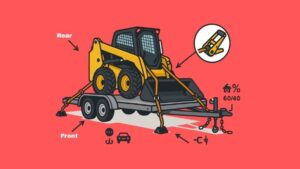
- Trailer selection. Equipment or tilt deck trailer with legal GVWR and brakes. Match deck height to ramp angle so attachments do not strike.
- Load plan. Heaviest attachment forward against a chock. Four point securement. Hoses and couplers protected from pinch and road spray.
- Staging kit. Dedicated strap set, chain binders, chocks, grease, spare couplers, caps, gloves, absorbent pads.
- Storage routine. Blow out coolers, wash after salt or mud, grease pivots, top off fuel, and park under a roof when possible. Battery maintainers pay for themselves in winter.
Ramps tie downs ground pressure and winter tips
Ramps need rated capacity, positive pins, and texture. Keep ramp angles shallow. On steel decks use a strip of rubber mat where tracks or tires climb. Tie downs should match operating weight plus attachment margin. Inspect straps and chain hooks weekly. Replace anything with frayed stitching or bent hardware.
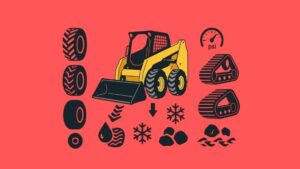
Ground pressure planning protects lawns and synthetic turf. Ask for published ground pressure with your actual tracks or tires. Turn on mats when you must pivot. In winter treat fuel, check glow circuits if equipped, and keep a small bottle of de ice for quick couplers. A frozen coupler ruins a morning faster than any other small problem. Give hydraulic oil a few minutes of light cycling before you load an attachment. Hoses and seals live longer that way.
FAQ
What is a mini skid steer?
A mini skid steer is a small, highly maneuverable compact loader built for working in tight or hard-to-reach areas. It uses hydraulic attachments like buckets, augers and trenchers to handle digging, lifting, grading and material handling on landscaping, construction and property maintenance jobs.
How much does a mini skid steer weigh?
Most mini skid steers fall in the 1,500–4,000 lb (680–1,800 kg) range, depending on brand, engine size, and whether they have a cab or attachments installed. For an accurate number, it’s best to check the specific model’s operating weight in the manufacturer’s specs, since even similar-sized machines can differ quite a bit.
How wide is a mini skid steer?
There’s no single width for all mini skid steers, but most sit somewhere around 36–48 inches wide so they can still get through gates and tight access points. Narrow-access models can be closer to 30″, while wider units with big tracks or buckets can push past 48″, so the exact number comes down to the specific model and attachment setup.
Can you dig with a mini skid steer?
Yes, you can definitely dig with a mini skid steer. With the right attachment such as a tooth bucket, auger or trencher, it handles light to medium digging jobs like footings, shallow trenches and landscape prep, though it will not replace a full-size excavator for deep or heavy excavation.
How high can a mini skid steer lift
Lift height varies by model, but most mini skid steers raise the hinge pin to roughly 60–84 inches, which puts dump height somewhere just under that. That is usually enough to load small trucks, trailers and bins, but you should always check the spec sheet of the exact model to be sure it matches your job.
How to make money with a mini skid steer?
A mini skid steer becomes profitable when you treat it as a service, not just a machine. You can generate income by offering niche, high-demand work like tight-access excavation, stump removal, post hole drilling, small grading jobs, material handling, and snow removal or by renting the machine with an operator to landscapers, contractors, and homeowners who do not own this type of equipment.