

If you pick a skid steer by brochure horsepower alone, you will either overbuy and drag a heavy frame through tight sites or underbuy and watch cycle times suffer. This guide maps real job types to frames, hydraulics, tires or tracks, cab features, and guarding so crews get the right tool the first time. Use it as a field ready reference when you spec a new unit, bid seasonal snow, set up a farm loader, or choose a rental for demolition.
How to fit a machine to the job in five steps?
- Write the primary task and the heaviest secondary task. Example grading topsoil primary with occasional pallet handling secondary.
- Pick the attachment that drives the spec. Example land grading skid steer with a 6 foot power rake that prefers standard flow not high flow.
- Choose the surface and season. Example mixed turf and new drives in spring with occasional wet clay.
- Set a target rated operating capacity that covers the payload with a safety margin. Example pallets at 3000 lb on forks need a frame that carries and stops that mass safely.
- Confirm access limits for width height and trailer weight. If you cannot tow it with your truck or fit the gate it is the wrong machine.
Spec to the attachment that will see the most hours. If most hours are on a snow pusher your best skid steer for snow work will look different from a unit optimized for trench backfill or landscape rake passes.
Core specs that actually matter
Rated operating capacity and stability
ROC is half the tipping load on most brands. A machine that lifts it must also travel stop and set a pallet without porpoising. Track loaders add stability but weigh more. Wheel loaders turn faster in tight patios if the surface allows.
Auxiliary hydraulics
Standard flow covers most landscaping tools such as soil conditioners trenchers and most brooms. High flow powers snow blowers large cold planers and forestry heads. Know flow at the coupler not at the pump and check pressure and relief behavior.
Lift path
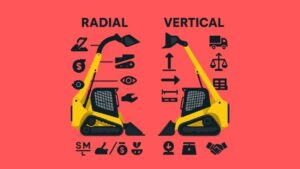
Radial lift favors digging and grading with better sight to the edge. Vertical lift carries pallets higher and stays flatter through the arc. Pick based on work not fashion.
| Class | Typical ROC | Engine HP | Std flow GPM | High flow GPM | Notes |
|---|---|---|---|---|---|
| Small frame skid steer | 1200 to 1800 lb | 45 to 65 | 15 to 22 | Not common | Patios turf paths fence work |
| Mid frame | 1800 to 2600 lb | 60 to 80 | 18 to 24 | 26 to 34 | Most versatile for mixed jobs |
| Large frame | 2600 to 4000 lb | 80 to 120 | 22 to 26 | 34 to 45 | Heavier pallets blowers planers |

Landscaping dirt work and grading without overbuying
Landscapers lose money when a machine is too heavy for turf or too thirsty for tight schedules. The best skid steer for landscaping is the smallest frame that comfortably runs your core tools and still handles periodic material moves. Keep transport simple keep ground pressure low keep visibility high at the cutting edge.
Primary tasks in this category
- Finish grade with a 72 inch box blade or power rake
- Topsoil spreading and back dragging with a low profile bucket
- Pallet handling for sod mulch and pavers
- Auger holes for posts and small trees
- Trenching and light demolition of small pads
Recommended spec range for landscaping crews
| Spec | Target | Why it matters |
|---|---|---|
| Frame and ROC | Small to mid frame with 1800 to 2400 lb ROC | Light on turf stable with bulk bags |
| Lift path | Radial for grading vertical if forks are daily | Edge visibility vs pallet lift height |
| Hydraulics | Standard flow 18 to 23 GPM at 3000 to 3500 PSI | Power rake trenchers brooms run clean |
| Tires tracks | Wide turf friendly tires or rubber tracks with gentle lug | Low ground pressure minimal rutting |
| Cab | High visibility roof and slim front posts | See the blade corner and power rake end plate |

Attachments that tend to drive the choice
- Soil conditioner or power rake sets the flow requirement. If your rake needs only standard flow do not chase high flow numbers.
- Forks and a 4 in 1 bucket add reach demands. If pallets are frequent consider vertical lift and a backrest guard.
- Auger drives with 2 inch hex are fine on standard flow for most soils. Rock augers ask for torque more than speed.
Visibility tricks that reduce rework
- Choose low profile buckets that shorten the blind zone ahead of the edge.
- Use a sight rod on the left corner of the blade for long passes.
- Calibrate EH joystick response for fine motions at low speed. Snappy controls at high gain create washboards.
Buy for the grading pass not the once a month oversized pallet. If you need big forks twice a season rent a larger unit for those days.

Snow work priorities from the cab out
Winter production starts with the cab. The best skid steer for snow work keeps the operator warm with a heated cab skid steer package and gives clear sightlines front and rear. High visibility cab skid steer designs reduce fatigue and shorten cycles across a long night.
Primary snow tasks
- Push and carry with a box pusher or angle plow
- Blow and throw with a single or two stage snow blower
- Broom light events and spring cleanup
Specs that matter for snow seasons
| Spec | Target | Notes |
|---|---|---|
| Frame and ROC | Mid to large frame with 2200 to 3200 lb ROC | Handles large pushers and heavy snow loads |
| Hydraulics | High flow 30 to 40 GPM for blowers when routes demand speed | Standard flow is fine for pushers and brooms |
| Cooling and charging | Cold weather package with higher alternator output | Feeds lights camera and heater at idle |
| Cab and visibility | Heated seat defrost strong wipers camera and work lights | Eyes stay comfortable beams reach where needed |
| Traction | Tracks for big lots tires with snow tread for mixed sites | Studs or chains on select routes where policy allows |
Attachment match for common routes
- Long straight lanes favor a V plow or angle plow with wings. Tight island heavy lots favor a box pusher sized to aisles.
- Two stage blowers earn on stacked or narrow sites and on zero tolerance contracts. High flow makes the difference in wet snow.
- Brooms are quick for dustings and spring sand removal. They run clean on standard flow and need careful light placement to see curb edges.
Operator comfort equals throughput
- Set the cab up with a warm boot mat a good radio and a rear camera. Small upgrades reduce breaks and up the acres per hour.
- Program joystick detents for blower chute rotation or plow angle. Repeatability shortens every pass.
Spec the electrical system like you mean it. Night work needs lights beacons camera and heater. A bigger alternator and clean wiring keep screens clear when storms drag on.

Demolition recycling and scrap handling
Concrete dust sharp scrap and hidden rebar punish light frames and thin guarding. A skid steer for demolition starts with structure and protection before horsepower. Guarding package skid steer options should be considered standard not optional on these jobs.
Primary demo and scrap tasks
- Break and remove concrete with a hydraulic breaker
- Load hoppers with grapple buckets and skeleton buckets
- Sort and carry with root grapples log grapples or scrap grapples
- Run cold planers and saws where required by scope

Spec priorities for rough work
| Spec | Target | Why it matters |
|---|---|---|
| Frame | Large frame with reinforced boom and cross members | Survives shock from breakers and impacts |
| Hydraulics | High flow for planers and saws strong case drain management | Tools live when oil stays cool and clean |
| Guarding | Front door poly or laminated glass debris screens belly guarding | Eyes hands and hoses stay safe |
| Tires tracks | Puncture resistant tires with liners or solid options | Puncture resistant tires cost less than downtime |
| Cooling | Reversing fan plus coarse pre screens | Concrete dust loads coolers fast without this |
Attachment set that drives the build
- Breaker size needs a hydraulic package to match flow and energy per blow. An undersized circuit feels weak no matter the marketing number.
- Grapple frames and tines take real torque. Choose cross tubes thick pins and bushed pivots you can grease easily.
- Skeleton buckets in scrap yards need wear strips and heel protection. Thin bottoms crack at cross members without it.
Health and safety details that keep jobs running
- Keep positive pressure in the cab and run good filters. Dust control is production control.
- Audio or camera spotters matter in crowded yards. Put a rear camera on every machine inside a recycling footprint.
Start from protection then choose power. A guarding package saves money every week on demolition while extra horsepower only helps when tools are sized and cooled correctly.
Farm ranch and livestock chores
Daily chores reward uptime and easy maintenance. A farm skid steer must cold start handle manure duty skid steer cleanup without packing coolers and hold traction on concrete aisle traction surfaces and on packed gravel. Speed on forks and bucket work beats high spec numbers you never use.
Daily task profile
- Feed and bedding moves with buckets and forks
- Manure and scrape cleanup with low profile or 4 in 1 buckets
- Silage handling and round bale transport
- Fence and post work with augers and small trenchers
Spec range for mixed farm work
| Spec | Target | Farm reason |
|---|---|---|
| Frame and ROC | Mid frame 2000 to 2600 lb ROC | Stable with bales nimble in alleys |
| Lift path | Vertical preferred | Stacking bales and loading mixers |
| Tires | Hard surface or block tread with corrosion resistant rims | Grips on wet concrete without chewing aisles |
| Cooling and sealing | Reversing fan coarse screens sealed harness | Manure airflow prevents clogging and odors |
| Cab | Wash down friendly interior and easy to clean mats | Daily cleanup is fast so operators do it |
Attachments and couplers to own first
- Heavy duty pallet forks with a backrest sized to bales. Watch backrest height under low doors.
- Low profile bucket with bolt on cutting edge for easy replacement.
- Manure fork or grapple for loose material and cleanup near fences.
- Auger drive with low speed high torque for fence lines and rocky soil.
Keep it simple. Reliable starts good visibility and easy cleaning will beat fancy options when chores stack up and time is short.
Selection matrix by job type
| Job type | Best fit class | Lift path | Hydraulics | Tires or tracks | Cab and guarding |
|---|---|---|---|---|---|
| Landscaping grading | Small to mid frame | Radial or vertical if forks daily | Standard flow | Turf friendly tires or gentle tracks | High visibility roof low profile bucket |
| Snow routes | Mid to large frame | Either based on pallets vs pushers | High flow for blower standard for pusher | Tracks or snow tread tires with studs where allowed | Heated cab strong lights rear camera |
| Demolition and recycling | Large frame | Vertical helpful for load height | High flow for planers coolers and case drain | Puncture resistant tires or solids | Guarding package debris screens reversing fan |
| Farm chores | Mid frame | Vertical | Standard flow | Block tread hard surface tires | Washable cab screens and sealing |
If two rows fit your work pick the lighter frame you can transport easily and that fits your narrowest gate. Transport and access decide who makes money on small jobs.
Tires tracks and surface match
When tires win
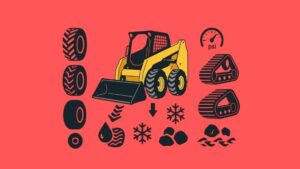
Tires are fast on hard surfaces cheaper to maintain and kinder to turf when you pick the right tread. Choose block tread for concrete aisles and yards. Choose snow tread for winter routes. Add tire liners or foam where nails and scrap live.
When tracks win
Rubber tracks spread weight and add traction on soft soils and wet clay. Expect slower turns and higher undercarriage costs. For landscaping around fresh curbs and lawns tracks save rework by reducing ruts.
Puncture resistant tires for rough sites
Recycling and demo sites justify solids or severe duty casings. They ride firmer but prevent downtime from flats and keep schedules predictable.

Hydraulics and couplers for attachments
Auxiliary hydraulics power your money makers. Match flow and pressure at the couplers not just at the spec sheet. A snow blower that wants 35 GPM will suffer on a 26 GPM circuit even if the brochure says high flow. Plan for case drain when required and use flat face couplers sized for the tool to prevent heat and restriction.
- Standard flow tools include soil conditioners trenchers brooms most augers and angle plows.
- High flow tools include large snow blowers cold planers and forestry cutters.
- Coupler cleanliness is production. Keep caps on always wipe before connecting keep spare caps in the cab.
Cab visibility and controls
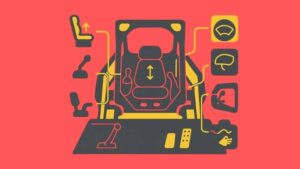
Operators make the schedule hit or miss. Comfortable controls and clean sightlines turn hours into output. ISO pattern and EH controls are the norm on new fleets. Pilot controls are smooth and predictable. Choose what your crews drive well and keep mappings consistent across machines.
- Look for thin A posts generous roof glass and bright work lights for night and winter work.
- Heated cab packages reduce breaks. Heated seat and strong defrost matter more than many spec upgrades.
- Rear camera and backup alarm cut incidents and help new drivers line up forks and pushers faster.
Demo and inspection checklist before you sign
- Arrive with your heaviest attachment or an equivalent demo head. Sales lots do not model your real load.
- Check lift and stop with a pallet at your typical weight. Watch stability and visibility at full height.
- Run the auxiliary at working temperature. Verify flow at the coupler and watch pressure relief behavior under load.
- Test in reverse and turn in tight lanes. Mirror the work you will do most often. If forks chatter or the boom bobs change settings or change models.
- Inspect guarding sealing and harness routing. If hoses and wires look exposed in the yard they will not last on your site.
- Verify trailer weights and tie down points. Make sure your trailer and truck can legally and safely move the unit with attachments.
The best spec on paper means little if your crew cannot see the edge or if your truck cannot haul the weight. Demo what you plan to do and do not skip the transport math.
FAQ
Do I need high flow if I do not run a blower or planer?
No. Standard flow covers most landscaping trenching and broom work. High flow adds cost and heat management needs you may not use.
Which is better for patios and turf a small frame or a mid frame?
A small frame is easier on turf and gates but a mid frame with gentle tracks can finish grades faster with fewer passes. Choose based on access width and pallet weight.
Are puncture resistant tires worth it for recycling yards?
Yes when flats and delays cost you more than the ride penalty. Solids or heavy duty tires with liners reduce downtime and keep loaders moving.
What makes a cab good for winter routes?
Heated seat strong defrost LED work lights a rear camera and a clean electrical system rated to feed all of it at idle. Comfort and visibility drive acres per hour at night.
Should a farm loader be vertical or radial lift?
Vertical lift helps with bale stacking and mixer loading. Radial is fine if you rarely lift high and you want slightly better sight to the cutting edge.
Can I size by horsepower alone?
No. ROC hydraulic flow lift path visibility and transport limits determine productivity far more than the engine number.
What is the fastest way to decide between tires and tracks?
If more than half your hours are on turf soft soils or wet clay choose tracks. If most hours are on concrete asphalt or compacted gravel choose tires and the right tread.