

A skid steer is a compact, highly maneuverable loader that turns by skidding its left and right wheels or tracks at different speeds. It lifts, carries, pushes, grades, and powers dozens of attachments with hydraulic flow at the quick couplers. Contractors use it for site prep, concrete work, landscaping, snow, farm chores, light demolition, and tight urban jobs where big iron cannot fit. This guide explains what a skid steer is, why it is called a skid steer, what it does well, where it struggles, how it compares with the Bobcat name everyone knows, and what fuels it runs on. Along the way you will get practical tips on sizes, controls, attachments, upkeep, safety, and buying decisions so you can choose and use one with confidence.
Why is it called skid steer?
The name comes from how the machine turns. A skid steer has a left side drive and a right side drive. To turn, one side speeds up and the other side slows down or reverses. The tires or tracks on the slower side skid across the ground while the faster side drives the arc. There is no front steering axle and no pivoting knuckles. All the turning energy is a skid across the surface with differential speed between sides. That skid is intentional. It is what lets the loader spin within its own footprint and work inside alleys, garages, and tight yard corners where articulated or conventional steering would need more room.
Because the machine turns by skidding, ground type matters. On concrete and new asphalt the skid leaves marks if the operator pivots hard. On turf skidding can scuff grass and tear root mats. On gravel, mud, or packed soil the skid is a non issue and the tight turn is a major benefit. Once you watch a new operator make a three point turn on pavement you see why good habits matter. A single smooth arc instead of a hard pivot keeps customers happy and tires alive.
What does skid steer do?
A skid steer lifts, carries, and shapes material, and it powers a large ecosystem of attachments that turn the same chassis into a grader, trencher, mower, blower, broom, breaker, auger, or grapple. If you ask what does skid steer do on a typical week, the list is long. It loads trucks with aggregate and spoils. It spreads topsoil and base and backdrags for a finish that passes inspection. It carries pallets of block, seed, salt, or lumber on forks. It clears snow on lots and sidewalks. It cuts brush and small saplings. It cleans millings, sweeps sidewalks, and preps edges before paving crews arrive. The small size and short learning curve let one machine cover many roles on small crews.
Core loader work
- Load out dump trailers and trucks
- Spread and grade stone, topsoil, and millings
- Backfill trenches and dress spoils
- Carry pallets and job materials across the site
Attachment work
- Trench long shallow runs with a chain trencher
- Drill holes for fence, piers, and sign bases with an auger
- Cut heavy brush with a rotary brush cutter
- Break small slabs and footings with a hydraulic breaker
- Sweep and collect debris with a pickup broom
- Push or blow snow on commercial lots
Site logistics
- Shuttle tools, compaction plates, and saws
- Unload deliveries when the telehandler is at another site
- Stage materials by trade so crews do not walk miles
The loader arms lift and tilt through a hydraulic linkage. Quick couplers at the plate supply oil to powered attachments. Modern machines offer standard flow and many offer high flow for heads that need more gallons per minute. The machine’s versatility comes from the plate and the oil. When the job changes at noon, you drop one tool, pick up another, and keep earning without a second chassis.

Is a skid steer the same as a Bobcat?
Bobcat is a brand. Skid steer is the machine type. People say Bobcat the way they say Kleenex for tissues or Dumpster for containers. The brand pioneered and popularized the loader and the name stuck in everyday talk. Many manufacturers build skid steers and compact track loaders. When you ask is a skid steer the same as a Bobcat, the accurate answer is that a Bobcat is one maker of skid steers and track loaders. Other well known brands build them too. Specs, cabs, hydraulics, and dealer support vary by brand, but the basic idea is the same. Two side drives, fast turns, lift and tilt, and a quick attach plate that carries tools.
Using the correct words helps when you shop parts and compare machines. If you call every skid steer a Bobcat you may miss good options or wrong size the attachment because the plate and flow do not match. When you write a purchase order or a rental request, specify skid steer loader or compact track loader with plate type, flow type, and pin height. That keeps surprises off the trailer.
What are the disadvantages of skid steers?
Every machine is a set of tradeoffs. A skid steer is extremely versatile and quick, but it is not perfect for every job. The disadvantages depend on surface, space, and the head you want to run. On new asphalt and decorative concrete, the skid turn can mark surfaces if the operator pivots in place. On turf the skid can scuff grass. On long runs over rough ground with a heavy bucket, the short wheelbase rides choppy unless the operator lowers height and slows down. In deep digging or stump removal, a mini excavator is safer and cleaner because it reaches and curls without driving on the edge. In continuous high demand hydraulic work like forestry mulching, cooling and case drain routing must be matched to the head or heat and back pressure will shorten motor life.
Common limits
- Surface scuffing when pivoting on pavement or turf
- Choppy ride at speed over rough ground with a full bucket
- Limited reach for deep excavation near structures
- Heat buildup if cooling is dirty or undersized for the head
- Visibility at full height without cameras or low profile buckets
How crews work around them
- Use long arcs instead of pivots on sensitive surfaces
- Keep loads low while traveling and raise only to dump
- Switch to an excavator for deep or narrow trench work
- Clean coolers often and match flow to the attachment
- Add mirrors and a rear camera for crowded jobs
None of these are deal breakers. They are reminders to match the machine to the task and to train operators well. A crew that respects surfaces, keeps oil cool, and picks the right attachment flow will get full value from a skid steer without expensive days.


Are skid steers gas or diesel?
Most full size skid steers are diesel. Diesel engines deliver the torque and duty cycle that loader work demands and they pair well with hydraulic systems. Many mini skid steers and older small models are gas. Gas can be simpler and cheaper up front, and it is common in rental fleets for very small units. Propane appears on some indoor and food plant jobs because of ventilation rules, but it is less common. If you ask are skid steers gas or diesel for mainstream construction and snow, the practical answer is diesel for standard and high flow work and gas for a subset of compact units where attachments draw less and indoor work matters.
| Fuel type | Typical use | Pros | Considerations |
|---|---|---|---|
| Diesel | Most full size loaders and track loaders | High torque, efficient under load, supports high flow heads | Emissions systems need clean fuel and proper warmup |
| Gas | Many mini skid steers and some older small frames | Lower initial cost, simple fueling, easy cold starts | Lower torque reserve, shorter service life under heavy duty |
| Propane | Special indoor or food handling applications | Cleaner exhaust, indoor friendly with ventilation | Fuel logistics, fewer dealer options, lower peak torque |
When you compare machines, match fuel to your headroom. If you plan to run planers, cold weather blowers, heavy brooms, or mulchers, assume diesel with cooling capacity that handles continuous flow and pressure without derate. If you plan fence lines and light material work on small sites, a compact gas mini skid steer may be perfect, especially with three trailers already set up for gas power.
Core anatomy and how everything works together
The frame holds the engine, pumps, tank, and cooling stack. Two hydrostatic loops feed left and right drive motors. Lift and tilt cylinders move the arms and the attachment plate. Quick couplers at the plate send and return flow to powered heads. Relief valves protect components when loads spike. The cab houses joysticks or hand and foot controls. Modern cabs add selectable patterns so crews can pick ISO or H pattern and adjust response. A universal quick attach locks buckets, forks, and heads to the plate. On compact track loaders, rubber belts ride on idlers, bottom rollers, a front idler, and a rear drive sprocket. Track tension sets with grease at the front idler. On wheeled units, chain cases deliver drive to the axles and oil level matters for durability.
Two habits protect the entire machine. Keep coolers clean and keep quick couplers spotless when you switch attachments. Heat and contamination are the enemies that hide in plain sight.
Sizes lift paths and right sizing by job
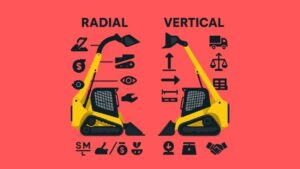
Skid steers come in small, medium, and large frames with rated operating capacity that ranges from a few hundred pounds to well over a ton and a half. Two lift paths exist. Radial lift arcs forward and is strong at mid height for digging and grading. Vertical lift rises mostly vertical and delivers more reach at full height for loading trucks and handling pallets. If your work is fork heavy or you load high sided trucks, vertical lift makes life easier. If your work is digging, backfilling, and brush cutting, radial lift is often simpler and cheaper.
| Frame class | Typical ROC | Common jobs | Notes |
|---|---|---|---|
| Small frame and minis | Under 1,500 lb | Sidewalk snow, fence lines, interiors, backyard work | Narrow width, fits through gates, lighter trailers |
| Medium frame | 1,500 to 2,200 lb | General site work, landscaping, light demo | Balanced for buckets, forks, and most heads |
| Large frame | 2,200 lb and up | Loading, roadwork, heavy brush, big snow pushers | Higher reach and stability, heavier trailers |
Right sizing starts with your heaviest pallet or your highest truck rail and your most common attachment. If you regularly unload 3,000 pound pallets of pavers, buy a loader with a safety margin above that weight at your fork length. If you load over tall box sides, measure hinge pin height and dump reach with the bucket you will install, not a catalog bucket. That approach picks a machine that handles your worst day calmly.
Tires tracks and traction choices
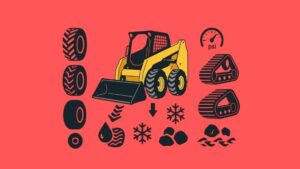
Wheeled skid steers turn faster and cost less to run on hard surfaces. They ride smoother on long pavement runs and leave fewer marks if the operator avoids pivots. Compact track loaders float on mud, soft soil, and turf and keep buckets calm near the pile. Tracks cost more and demand tension checks. Tires cost less and ask for rotation and puncture care. If your routes live on concrete and asphalt, wheels make sense. If your week includes mud, lawns, and unpaved lots, tracks pay their keep. Many fleets keep both or add over the tire tracks to a wheeled unit for wet months so the same machine can cover more ground.
Control schemes visibility and cab setup
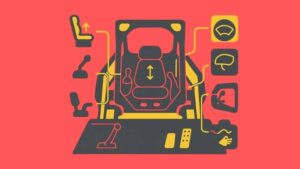
Modern machines let you pick ISO or H pattern. ISO uses the left joystick for travel and steer and the right joystick for lift and tilt. H pattern splits travel and lift across hands in a way older operators enjoy. Electronic hand controls allow response tuning so new hires can start slower and tighten up as they gain skill. Heated cabs, air ride seats, wide doors, and wipers turn long shifts into safer shifts. Mirrors and rear cameras help in tight yards. Low profile buckets and backrest guards improve fork visibility. A small layout change like moving a radio or adding a cup holder can reduce fatigue more than you expect over a long winter night.
Attachments you will actually run
The best attachment is the one that earns weekly. Start with a general purpose or low profile bucket and a set of 48 inch or 60 inch forks sized to your loads. Add a tooth bar or toothed bucket if you dig often. For utilities, a chain trencher and a two inch hex auger cover most needs. For grounds, add a landscape rake or soil conditioner. For brush, pick a rotary brush cutter that matches your flow and includes a solid push bar. For pavement work, a pickup broom and a cold planer earn in spring and fall. For snow, choose a pusher for open lots and a blower for long throws or sidewalk networks. Always check flow at the coupler and case drain requirements before you buy a powered head.
| Attachment | Standard flow | High flow | Case drain | Typical jobs |
|---|---|---|---|---|
| Buckets and forks | Yes | N/A | No | Loading, grading, logistics |
| Chain trencher | Yes | Sometimes | Usually no | Utilities and irrigation |
| Auger | Yes | For large bits | Usually no | Piers and fence lines |
| Pickup broom | Yes | No | No | Cleanup and prep |
| Rotary brush cutter | Yes | For heavy heads | Sometimes | Brush and light saplings |
| Cold planer | No | Yes | Often yes | Patching and edge cuts |
| Snow blower | Yes | High flow for big throws | Sometimes | Winter lots and walks |

Maintenance routines that avoid downtime
Small machines live long when small routines happen daily. Blow out coolers and belly pans, especially after milling, mowing, or broom work. Grease pins and quick attach faces. Inspect hoses for rub points and sleeve them where needed. Keep caps on couplers any time an attachment is off the plate. On wheeled units, check chain case oil and hub seals. On tracked units, set tension weekly and after big temperature swings and clean packed mud before it hardens. Log hours, note odd noises, and tag issues at the end of the shift so the next operator is not surprised.
Daily
- Walkaround, fluids, glass, lights
- Coolers blown out and air filter check
- Couplers wiped and capped
- Attachment inspection and pins greased
Weekly
- Track tension or chain case check
- Torques on wheel lugs or track hardware
- Cab clean and drain holes cleared
Monthly
- Hydraulic leaks and hose routing
- Coupler play and loader arm bushings
- Battery connections and block heater leads


Safety habits that stick
Good habits make fast work. Keep loads low while traveling. Use a spotter when crossing sidewalks and blind corners. Never lift people with forks or in a bucket. Ground attachments and release pressure before unhooking hoses. Wear hearing and eye protection when sweeping, milling, and breaking. Lock out underground utilities and verify depths. Park with attachments grounded, key off, and pressure bled. Simple habits stop expensive days and keep crews on schedule.
Buying renting and total cost basics
Pick size by the heaviest pallet and the highest rail you need to clear. Pick lift path by your mix of forks and buckets. Pick tires or tracks by your surfaces. Match hydraulic flow to the heads you will run weekly. Check dealer parts fill, field tech response, and loaner policies. If your calendar is mixed or seasonal, rent the second machine before you buy. When you run numbers, include attachments, transport, insurance, and expected resale. A loader that finishes more days on your actual routes is always cheaper than a loader that sits because the surface or the head says no.

FAQ
What is tipping load on a skid steer?
Tipping load is the maximum weight a skid steer can lift before it begins to tip forward. The machine’s safe working capacity (rated operating capacity) is usually calculated as a percentage of this tipping load.
What is a case drain on a skid steer?
A case drain on a skid steer is a low-pressure return line that carries internal leakage oil from a hydraulic motor or attachment back to the hydraulic tank. It prevents excess pressure build-up in the motor housing, protecting seals and extending the life of the hydraulic components.
What is a skid steer loader primarily used for?
A skid steer loader is primarily used for earthmoving tasks like digging, grading, backfilling, and loading materials in construction, landscaping, and agriculture. With different attachments, it can also handle jobs like snow removal, trenching, lifting pallets, and site cleanup.
What is high flow on a skid steer?
High flow on a skid steer refers to an upgraded auxiliary hydraulic system that delivers a higher gallons-per-minute (GPM) oil flow than standard hydraulics. It’s used to power demanding attachments like mulchers, cold planers, snow blowers, and large sweepers that need more hydraulic power to run properly.
What is a skid steer attachment?
A skid steer attachment is any tool or implement that connects to the front of a skid steer loader to perform a specific task, such as buckets, forks, augers, sweepers, or mulchers. By swapping attachments, one skid steer can handle many different jobs like digging, lifting, grading, or snow removal.
What is better tracks or tires on a skid steer?
Tracks usually provide better traction, flotation, and stability on mud, sand, slopes, and rough ground. Tires are typically cheaper, faster on hard surfaces, cause less damage to pavement, and are easier and less expensive to maintain.
What is breakout force on a skid steer?
Breakout force on a skid steer is the maximum force the loader arms or bucket can apply to break material loose from a pile or the ground. It shows how powerfully the machine can dig into, pry, or scoop heavy, compacted material.
What is float mode on a skid steer?
Float mode on a skid steer is a hydraulic setting that lets the loader arms move up and down freely with ground contours instead of being held rigid by pressure. It is mainly used for grading, back dragging, and snow removal so the attachment can follow the surface smoothly.
What is operating capacity on a skid steer?
On a skid steer, operating capacity is the maximum load the machine can safely lift and carry without becoming unstable or risking a tip-over. Manufacturers usually set this number as a percentage of the machine’s tipping load to build in a safety margin.
What is operating weight on a skid steer?
Operating weight on a skid steer is the total weight of the machine in working condition, including standard equipment, fluids, and a full fuel tank. It matters for transport, towing limits, and understanding how much ground pressure the machine will put on the surface.
What is pilot control on a skid steer?
Pilot control refers to low-effort joystick controls that send a small hydraulic or electronic signal to operate the main valves instead of moving them mechanically. This makes the machine feel smoother, lighter to operate, and often more precise, reducing operator fatigue over long days.
What is ride control on a skid steer?
Ride control is a hydraulic suspension feature that lets the lift arms and attachment “cushion” up and down instead of staying rigid over bumps. It helps keep the load steadier, reduces spillage, and makes the ride smoother for the operator.
What is rops on a skid steer?
ROPS stands for Roll Over Protective Structure, which is the reinforced cab or frame built to protect the operator if the machine rolls over. It is a critical safety feature that works together with the seat belt to reduce the risk of serious injury in a tip or rollover.
What is the average cost to rent a skid steer?
On average, renting a skid steer usually runs from about 200 to 500 dollars per day, with many renters paying around 300 to 325 dollars for a typical machine. Over longer periods the daily cost comes down a bit, with weekly rentals often around 900 to 1,200 dollars and monthly rentals roughly 2,000 to 3,000 dollars, depending on size, attachments, and your location.