• Thank you for visiting Skidsteers.net. Thanks to your continued support and popular demand, we've added a forum to our site. We hope it becomes a valuable place for you to connect, ask questions, and share your experience. You may also find the links below helpful.

    After registering, please remember to check your spam/junk folder for the confirmation email if you don't see it in your inbox.

Stump Bucket Turned Into a Tree Stump Planter by Accident Anyone Else Doing This

elchova

Member
I finished a stump bucket project and I honestly built it for one job only: popping out small stumps and prying rocks. Then I tried something I didn’t plan on at all. I used it like a tree stump planter to move and plant a couple trees with a decent root ball, and it worked way better than I expected. I’m not talking about a full tree spade. I mean using the stump bucket to dig the hole, carry the tree, set it in place, then backfill.

This is the closest “commercial style” stump bucket vibe to what I built, just for reference on the shape and how the point is meant to pry:

I’m curious if anyone else has done this long term or if I’m about to learn the hard way that I got lucky once.
 
Here’s where it surprised me. Digging the hole felt obvious, but the moving and setting part is what made it feel like a legit tree stump planter. I approached the root ball low, used the bucket like a cradle, and kept it close to the ground the entire time. No fancy straps, just slow movement and trying not to bounce. I watched a couple videos after the fact and realized I’m not the only one doing it.

This one is literally using a stump bucket to plant trees:

This is another transplant style video with a stump bucket that shows the same concept:

If you’ve done it, what’s your method to avoid tearing up the root ball or smashing the trunk when you set it down?
 
Your homemade angle is what I like here. A stump bucket can be a tree stump planter if the geometry is friendly. The “rolled vs bent” question matters because a rolled scoop gives you a smoother cradle for root balls and rocks. A sharp bend tends to grab dirt but also creates a pressure line that can cut into a root ball if you’re not careful. If you want to make yours more tree friendly, you can add two small details without ruining the stump removal strength. One is a simple rounded wear lip on the inside edges where the root ball will contact. Not a knife edge, more like a smooth contact surface.

Second is a top clamp or mini grapple. It doesn’t have to crush, it just needs to stabilize. Something like a stump bucket grapple option is made for exactly that. Here’s a mini skid stump bucket grapple product page showing the idea:

Even if you don’t buy that model, the photos help you visualize how a light clamp makes the attachment behave more like a controlled carrier.
 
It works, but it’s not a tree spade. If you’re moving anything with a big root ball, you’re going to tear roots unless you go slow.
 
I’ve planted a few trees with a stump bucket, but I always backfill in layers. If you dump all the soil at once you end up with voids, then the tree settles later. This quick tree spade demo shows why pros care about a clean hole and root ball shape, even if you’re not using a spade:
 
This is exactly the kind of feedback I needed. I tried again today and you guys were right about “don’t stab the root ball.” I slowed way down and used the bucket like a cradle instead of a pry point. The set went smoother and I didn’t feel like I was beating the tree up. Next time I’m going to add a soft strap just to keep the trunk from tipping when I cross uneven ground.

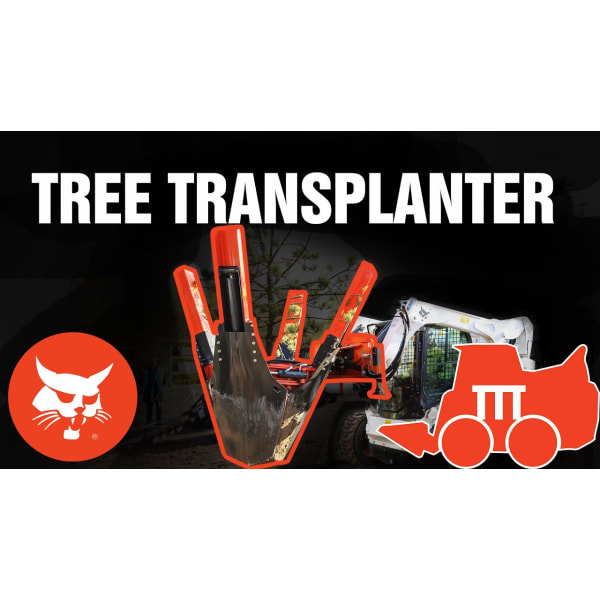
Also, that Bobcat transplanter video is eye opening. It shows how much control a purpose built tool adds:
 
Back
Top