

Wheel or track is not a personality test. It is a job mix decision that starts with ground conditions, site access, attachment behavior, transport limits, and the dollars you plan to make in a season. This guide breaks down skid steer vs track loader choices with plain talk you can use on Monday morning. You will see where tracks win and where they do not, how total cost and ride comfort compare, what maintenance actually keeps either machine earning, and the hybrid options that bridge seasons when budgets are tight. If you have searched phrases like skid steer tracks vs tires and walked away with noise instead of a plan, this is your field manual.
When tracks are the right call and when they are not
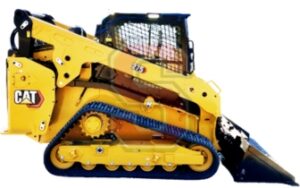
Start with ground truth. A compact track loader spreads machine weight over a long footprint with a wide belt. That lowers ground pressure and steadies the chassis. On soft soil, spring thaw, clay pads, sand over base, or graded yards that you cannot rut, tracks usually win before the day begins. Travel speed is lower, but cycle time is steadier because you do not bog or spin. When you run forks, tracks keep the mast calm at low height. When you carry full buckets, tracks resist pitching as you cross ruts.
There are limits. Tracks are not magic on hot asphalt or sharp aggregate. Rubber lugs smear on high friction surfaces and heat up when you pivot. Turning in place on new pavement leaves marks you will get calls about. Tires turn faster, cool faster, and cost less per hour on hard surfaces. If most of your route is concrete or new asphalt and you touch turf once in a while, a skid steer is the correct tool. The center of the track vs wheel skid steer choice is not brand or paint. It is time spent off pavement and how much rework you can afford.
Simple rule of thumb
If more than half of your cycles occur off pavement or on ground that marks easily, tracks are likely to finish sooner with less repair work after. If more than three quarters of your cycles occur on pavement or cured concrete, wheels are likely to finish sooner at lower cost.
Risk lens
What is the cost of a rut, a torn silt fence, a chipped paver edge, or a scar on new asphalt. Tracks reduce that risk off road. Tires reduce that risk on pavement. Your highest risk surface should weigh more than any spec line.
Attachment lens
Rotary cutters and trenchers prefer steady travel over rough ground, which rewards tracks. Brooms and snow blowers on long lots prefer travel speed and crisp transitions, which rewards tires. Fork work splits the difference. Tracks feel calmer near piles on base. Tires cross a lot faster to the drop zone.
The cheapest machine per hour is the one that moves every hour on your actual surfaces. Buy for your calendar and your sites, not for a photo.
Mud snow turf asphalt and mixed sites
Mud and saturated subbase
Tracks lower ground pressure and keep buckets from diving. The long footprint resists fore aft pitching when you crest ruts. You will not be fast, but you will be consistent. Consistency is what gets you to lunch with progress you can invoice. In sticky clays, keep turns wide to avoid peeling the pad, and clean the carriage at day’s end so mud does not cure into tomorrow’s problem.
Snow and ice on pavement
On polished ice a skid steer with chains or studded tires turns and stops with more control. On packed snow and mixed gravel, a compact track loader with winter compound belts and open lugs pulls a pusher or blower with less hop. On sidewalks and lots with fresh sealcoat, wheels are kinder. On gravel drives and unplowed lanes, tracks stay planted and reduce dig in when you back drag.

Turf topsoil and finished yards
Tracks protect invoices because they avoid scars. Lower ground pressure and gentle arcs leave lawns that do not require a patch crew. If turf is part of your brand promise, tracks with a calm operator are worth the premium. When you must run a skid steer loader on lawns, switch to block tread, keep loads low, avoid pivot turns, and plan one turn zone with mats. Your phone will ring less on Saturday morning.

Asphalt concrete and pavers
Wheels win on speed and cost here. Tires ride smoother over joints, turn without smearing, and do not leave rubber streaks. Tracks work on pavement in a pinch, but you must avoid pivots and keep speed down to protect the surface and the belts. If you run on new asphalt for days, choose wheels and a driver who respects edges and curbs.

Mixed sites and route planning
Most commercial jobs have both. Think routes, not badges. If 70 percent of your travel is on pavement and 30 percent is on turf, wheels with a small mat set and disciplined turns may beat tracks all week. If it is the other way around, tracks with planned sidewalk crossings beat wheels plus four pallets of plywood. Write one sentence on the work order. The machine must be able to do all of the work on the worst surface we will see today. That sentence picks the winner.
| Surface | Better baseline | Why it wins | Operator notes |
|---|---|---|---|
| Saturated soil and spring thaw | Tracks | Lower ground pressure and calm chassis keep cycles steady | Wide arcs and end of day carriage cleanout |
| Polished ice on lots | Wheels | Chains or studs bite and stop without smear | Low travel height and no pivot turns |
| Turf and topsoil finish | Tracks | Reduced scuff and rut risk at turns | Long arcs and no back dragging with down pressure |
| New asphalt and pavers | Wheels | Fewer marks lower heat better ride | Protect edges, approach curbs square and slow |
Total cost ride comfort and maintenance
Total cost is the season, not a single invoice. Tires are cheaper, faster to swap, and friendlier to curbs. Tracks cost more, ask for tension discipline, and bring idlers and sprockets into the conversation. That said, a track loader that keeps earning in wet months pays back by preventing outages and lawn repairs. A skid loader that runs every day on pavement without buying belts or idlers is cheaper where it lives. Map months and miles before you pick a side.

Ride comfort and speed
Wheels ride smoother on long pavement runs and over joints. Tracks feel planted with a full bucket near the pile and on rough base. Operators who place forks at height prefer the calm base of tracks. Operators who shuttle across big lots prefer the fast, quiet roll of wheels. Test the route you actually run with your attachment mounted.
Fuel and heat
Tracks can draw more fuel when lugs scrub on high friction surfaces. Wheels can draw more when spinning in mud. Heat matters for continuous duty heads. Whichever machine you pick, keep coolers clean and watch oil temps. Derate ruins afternoons.
Downtime math
A day stranded in mud costs more than a set of tires. A day of rework on scarred asphalt costs more than a tension check. Buy the machine that avoids your expensive days most often.
Sample seasonal cost sketch
This is a frame to plug your numbers into. Fill it out once and your decision stops being a guess.
| Item | Skid steer | Track loader | Notes |
|---|---|---|---|
| Tires or belts per season | One tire set partial wear | One belt set partial wear | Adjust for route and operator habits |
| Undercarriage | Chain case oil and chains | Idlers sprockets tension service | Budget for inspection and small parts |
| Damage and rework | Low on pavement high off road | Low off road higher risk on new asphalt | Your calls and callbacks live here |
| Uptime in wet months | Often limited | Often steady | Where tracks earn back their premium |
In cost fights the calendar wins. If your highest revenue months are wet or soft, tracks usually pay. If your highest revenue months are clean pavement, wheels usually pay.
Track tension sprockets idlers and chain cases
Tracks live or die by tension discipline and clean carriages. Check weekly and after temperature swings. Too loose and the belt walks or ratchets when side loading on a slope. Too tight and you accelerate idler and bearing wear. Set tension with the manufacturer’s method and write it on a tag in the cab so anyone can do it without guessing.
Field tension method
- Park on level ground with a clean carriage. Lift the side slightly to unload the bottom run.
- Measure sag at the midpoint against spec. Adjust grease tensioner in small steps and recheck. Do not overpump to save time.
- Cycle forward and back slowly to seat the belt. Recheck. Log the date and hours.
Idlers and sprockets
Idler lips that weep or spin rough want seals and bearings before they become a larger bill. Sprocket teeth that hook have lived too long with loose belts or high side loads. Replace in pairs when possible to prevent new parts chewing old parts. Carry one spare idler and a seal kit during mud season if you are remote.
Chain cases on Skid steer loaders
Oil level and chain tension checks are short, cheap, and save hubs. If turns feel sloppy or low speed rumbles, do not wait. Open the case, check the oil for glitter, and set chain tension. Teach the same weekly rhythm that your track machines use. The habit is the real maintenance plan.
Conversion options and hybrid setups
You do not need parallel fleets to cover seasons. A hybrid plan can keep jobs moving and bills paid. If most of your routes are pavement, run a skid steer most days and stage over the tire tracks for spring and fall. If most of your routes are soft, run a track loader and keep a clean pad and short pavement routes. Hybrid also means attachments. Use a skid steer loader with chains and a pusher for lots and a rented track loader for wet grading months if capital is tight this year.
When to switch
Set a calendar trigger like spring thaw or fall rains, and a site trigger like sustained rutting or soft base complaints. Switching early is cheaper than losing a week.
Staged kits
Keep OTT tracks on labeled pallets with hardware, a chain repair kit, gloves, and the correct bars. Keep winter tire sets mounted on wheels to swap fast when ice season hits.
Training
Practice the changeover once in the yard in daylight with your A team. The first storm is not training day. Time it, write the steps, and tape the steps to the trailer box.
Over the tire tracks studded tires and chains
Over the tire tracks turn a wheeled into a seasonal track machine. They add weight, widen stance, lower ground pressure, and improve traction in mud and on gravel. They also increase steering effort, extend load time, and require hardware discipline. Studded tires bite on ice and are kinder to asphalt than chains. Chains are the heavy hitter for steep iced grades and emergency access, but they demand slow speeds and frequent checks.
OTT track types
- Rubber OTT for turf sensitivity and mixed routes. Less bite than steel but kinder to finished surfaces.
- Steel bar OTT for mud and rock. Maximum bite, maximum surface risk. Keep them off pavers and new asphalt.
- Hybrid pad OTT to bridge gravel and occasional pavement without tearing everything in sight.
Studs and chains
- Stud patterns should keep contact under load without shredding sealcoat. Block tread with moderate stud count is a balanced winter choice.
- Square link or V bar chains grip well on ice and packed snow. Keep them tight. Carry repair links and check after the first mile.
Whatever you mount, retorque wheel lugs after the first hour and again after the first day. That habit saves studs, hubs, and tow bills.
Operating patterns that protect surfaces and speed cycles
Surface damage steals profit. The best operators follow the same patterns regardless of undercarriage. Turn once in a dedicated zone instead of pivoting near edges. Keep the load low while traveling and raise only to clear. Approach curbs square and slow. On turf, use long arcs and avoid skids. On new asphalt, no back dragging with down pressure and no tight spins. On pavers, place mats where you must pivot and station a spotter at blind corners.
Slopes and stability
Tracks feel more stable across slopes because of footprint length. That does not suspend physics. Keep loads low, travel straight up or down when possible, and avoid downhill turns with raised buckets. Wheels on slopes demand even more discipline. Avoid side slope travel under load and do not let momentum become control strategy. The fastest way down a slope is still slow and straight.
Approach angles and obstacles
Approach low transitions with a slight angle only if the edge is stout and you will not peel it. On soft edges, approach square and gentle. Protect couplers and hoses with short ramps or cribbing rather than nose diving attachments to climb. A clean plan for your first and last ten feet at each pass prevents most damage claims.
Spec sheet realities that actually matter
Spec sheets turn into tools when you read them the same way every time. For skid steer vs track loader comparisons, focus on numbers that make cycles clean.
Ground pressure and contact patch
Ask for ground pressure with the tires or tracks you will run, not the narrow shoe in the brochure. A quick estimate is machine weight plus typical attachment weight divided by contact patch. Lower is better on turf and muck. Higher is fine on clean concrete if it buys you speed and lower costs. Record your real number and write it on the side of your scorecard.
Hinge pin height and dump reach
Hinge pin height is a sticker number that gets attention. Dump reach at height is the work number that decides whether you dribble down the truck side or clear the rail cleanly. Ask for reach with your bucket size. If the number is not published, test it with your truck height.

Flow and relief at the coupler
Gallons per minute at the coupler and relief pressure under heat decide attachment quality. Pump numbers in brochures are not enough. If you broom, trench, or run a cutter, you need coupler flow that does not sag after ten minutes. Ask in writing. If the answer is silence, test and time it.
Travel speed loaded and empty
Spec sheets love empty travel speed. Your work is loaded travel with stops and turns. Time your route with a real load and your head mounted. That is the number you bid with and the number you buy with.
Stop arguing brand against brand. Compare ground pressure with your shoes, reach at your bucket, and flow at your coupler. Those three lines decide jobs more than any badge.
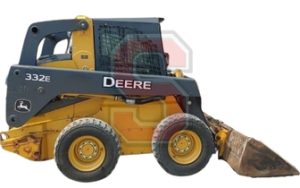
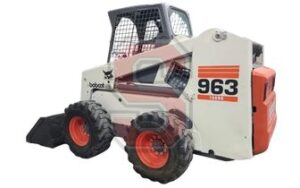
Best Skid Steers
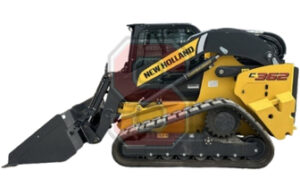
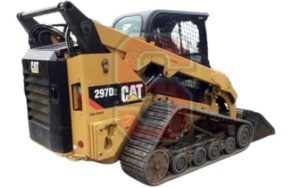
Best Track Loaders






Decision matrix and right sized scorecard
Turn noise into a five minute decision with a simple matrix. Score each item one to five where five means strong fit for your route. Weight the items that matter most to your jobs. Sum and pick the highest total. If two options tie, pick the one that avoids your most expensive failure mode.
| Factor | Weight | Skid steer score | Track loader score | Notes |
|---|---|---|---|---|
| Pavement percentage of route | 3 | Higher favors wheels | ||
| Soft ground percentage of route | 3 | Higher favors tracks | ||
| Surface damage risk | 2 | Turf and new asphalt considerations | ||
| Attachment mix continuous duty | 2 | Cooling and flow delivery needs | ||
| Transport simplicity | 1 | Trailer class and tow vehicle |
Right sized checklist
- Measure two real routes with turns, curbs, and loads. Time six cycles each with both machines.
- Record turf passes and marks with photos. Record asphalt scuffs and back drag quality.
- Pull coupler flow after ten minutes with the head mounted if possible. Note any heat derate.
- Log operator feedback on visibility, feathering, and fatigue. New hire impressions matter.
- Pick the machine that avoids rework on your worst surface and finishes both routes faster.
Four real world scenarios with time and cost impact
Muddy subdivision backfill after rain
Route is 80 percent off pavement with silt and clay. Track loader keeps buckets upright and finishes three passes with minimal rutting. Skid loader needs mats and still spins at turns. Track machine wins even if travel speed is lower. Time saved is setup and rework avoided.
Downtown asphalt tear out and load out
Route is 90 percent on new asphalt with tight corners and parked cars. Skid steer with a smooth tire and careful operator moves faster, leaves fewer marks, and keeps noise down. Track machine leaves rubber smears and must crawl at turns to protect the surface. Wheels win without debate.
Snow season on small commercial lots
On polished ice and tight lots, wheels with chains or studs turn and stop with confidence and shuttle faster between rows. On unplowed gravel lanes and windblown drifts, tracks keep moving when wheels dig in. Run wheels on lots and keep a tracked unit for deep drifts and off pavement access if your geography demands both.
Utility trench spoils in a rainy week
Narrow corridor along a fence with soft base. Track loader floats and carries full buckets at low height without pitching. Skid steer loader makes ruts that become puddles. The tracked unit finishes sooner and avoids repairing the lawn. The premium is justified by schedule control alone.
Transport storage and seasonal changeover
Transport can decide what you own. Track loaders weigh more and may bump you into a heavier trailer and another tow class. Check combined weight with the heaviest head you carry, not just the base machine. Mark tongue weight targets on the trailer once so operators do not guess at 4 a.m. For seasonal changeovers, script the steps and post them in the trailer box. Swap tires or mount OTT, check track tension or chain cases, clean coolers, grease pins, check couplers, and reset relief notes in the cab.
Daily storage routine
- Blow out coolers and belly pans. Mud and chaff turn into heat and downtime tomorrow.
- Wash salt off belts and undercarriage in winter. Dry before parking to reduce corrosion.
- Grease pivots and log hours. Small machines live long when small routines happen daily.
- Park with attachments lowered and pressure released. Hoses and seals live longer.
The first ten minutes after a shift decide whether tomorrow starts clean. Make end of day cleanup paid time. It pays for itself by Friday.
FAQ
When does a compact track loader clearly beat a Skid steer on total job time?
When most cycles are off pavement on soft or fragile ground. Tracks keep moving and prevent ruts and rework. If your wet months are your busy months, tracks win more often than not.
Is a Skid steer always better on asphalt and concrete?
Generally yes for speed, ride, and surface protection. Tires leave fewer marks and run cooler. If your route is mostly pavement, wheels finish faster at lower cost.
How do I compare skid steer tracks vs tires fairly for my business?
Time six cycles on your real route with your attachment and your operator. Include curbs and turns. The machine that finishes faster with cleaner surfaces is the winner, not the one with the flashy spec.
Do tracks cost a lot more to maintain than tires?
Tracks and undercarriage components cost more and demand tension discipline. Tires are cheaper and quick to swap. Tracks pay back if they prevent downtime and yard repairs on your calendar.
What happens if I ignore track tension for a month?
You will accelerate idler and sprocket wear, risk a walk off under side load, and stress drive motors. Weekly checks are cheaper than any of those outcomes.
Are over the tire tracks a good idea for spring and fall work?
Yes if your base machine is wheeled and your sites turn to soup. They add traction and reduce rutting. Plan for width increase, slower steering, and install time.
Do studded tires or chains replace a track loader in snow?
They replace it on ice covered pavement and short plow runs. They do not replace a track loader in deep snow off pavement or on mixed gravel where flotation wins.
Which machine is kinder to turf during summer heat?
A track loader with a gentle lug and wide arcs is kinder. A skid steer loader can be turf friendly with block tread and careful turns, but it takes more discipline.
Should I pay for high flow if I mostly run buckets forks and a trencher?
Not usually. Strong standard flow at the coupler that holds under heat is the better buy. High flow makes sense only if your head is built for it and your routes exploit it daily.
What single habit cuts damage on finished surfaces the most?
Designate one turn zone and one travel path and enforce no pivot turns outside that lane. Keep the load low while moving. That habit prevents the majority of scars and edge chips.